
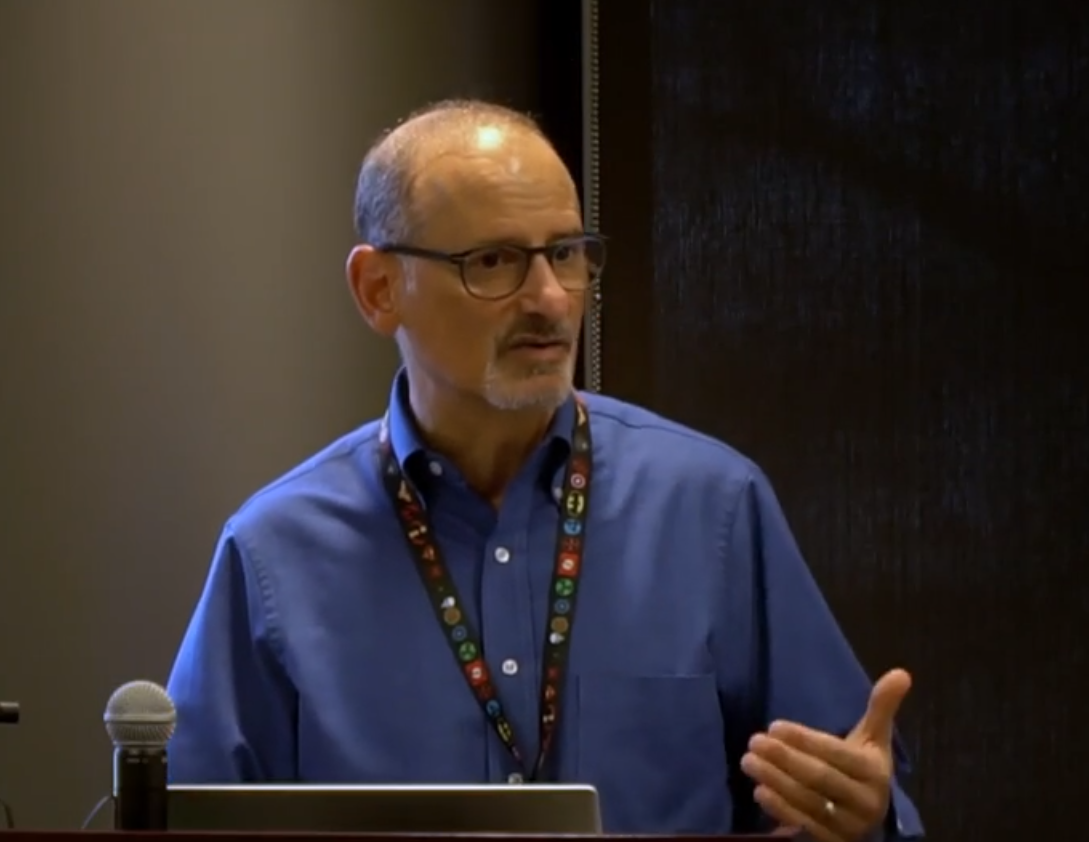
Your keynote was just awesome. Seriously awesome. Thank you for sharing your experiences, guidance, and your inspiration with us. We definitely want to invite you back to connect with an even broader group of folks in the new year. The buzz from our team is very positive, still. Let’s stay connected...and figure out what's next. Thank you again, very sincerely

Mary Beth Westmoreland
Vice President, Amazon
Jonathan, I wanted to personally thank you for helping me to become a better ally. My growth as a professional has undoubtedly taken a big positive step over the last couple years because of your passion and commitment to making Amazon a more inclusive and diverse workplace. It’s what I value most at our company and you are the driving force we need today -- and will continue to need tomorrow.

Sean P. Alley
Product Manager, Nordstrom
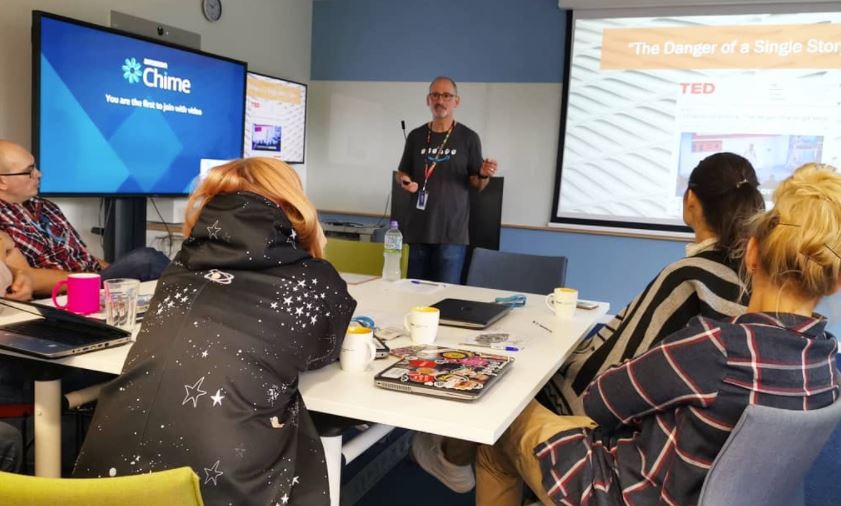
Global Diversity Partners led a highly interactive session on allyship for Microsoft's Culture, Learning and Compliance team.
Jonathan Stutz was fantastic in the session, first sharing compelling data that was eye opening to all of us, then a graphic on power and privilege that clearly resonated with the team. He utilized several case study scenarios that motivated the team to open up, interact, and create a great discussion. In the end, we dispersed with a great set of mechanisms to implement immediately and help us become great allies to our teammates.

Jesus Fernandez
Director, Compliance Learning & Culture, Microsoft Corporation
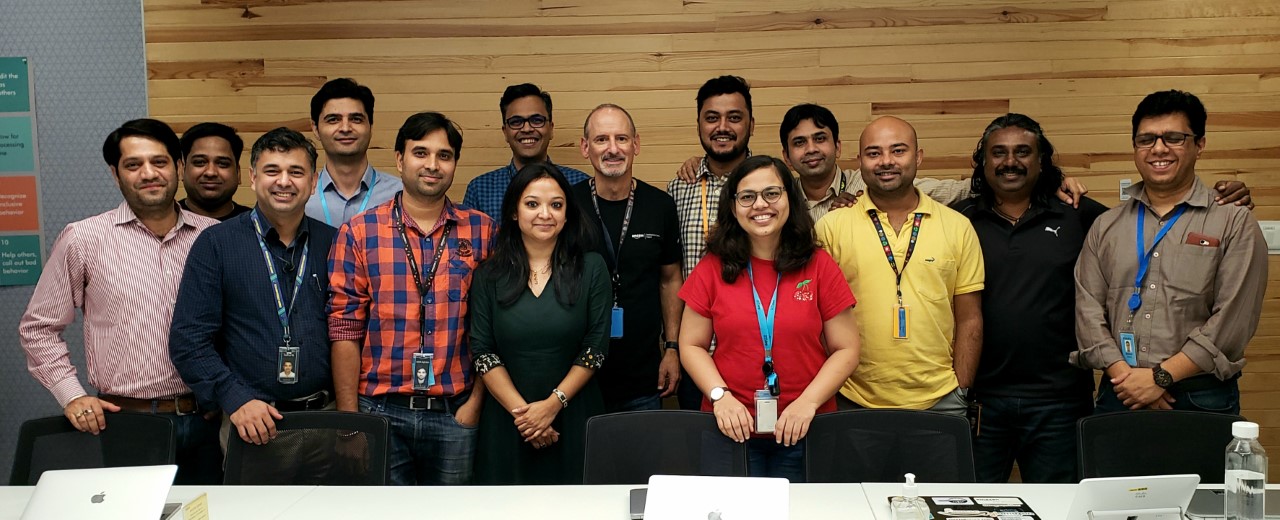
Jonathan, I was fortunate to be trained by you on DEI on your visit to Amazon, Bangalore campus and I still take those learnings to work and life, everyday. Your passion and knowledge on the subject is second to none that I have come across.

Akash Awasthi
Asst. General Manager, Bangalore International Airport, Ltd.
Jonathan is one of the most knowledgeable people I've met within the Diversity & Inclusion space. He has the knowledge and experience to explain this area to anyone at any level as well as the drive to make it a strategic business imperative. I learned a lot from working with Jonathan and highly recommend him!

Solomon Wilkins
DEI Leader, NW Region, DPR Construction
I have known Jonathan for a very long time and over that time it is abundantly clear that he is a caring, engaged, and empathetic human. In Inclusion, Diversity, and Equity work that is a differentiator between doing good work and doing great work. He has proven himself in the most complex situations, to be an ID&E subject matter expert who inspires others, influences buy-in, drives impact, and fosters change.

Eddie Pate
Founder & Chief I&D Officer
Eddie Pate Speaking and Consulting, LLC
Eddie Pate Speaking and Consulting, LLC
For three years, I had the pleasure of working with Jonathan as my DEI manager. I appreciated how he listened to my experience, always provided great insight, and championed on my behalf in spaces where I was excluded. When Jonathan noticed that a group of employees were having a different experience at work from other employees, he organized a focus group which identified several key themes that showed how and why employees felt excluded. He created a forum by which Black employees could communicate with the VP and championed a new Black employee resource group to work with the leadership team to create a more equitable environment.

Kimberly Williams
Sr Program Manager
Amazon
Amazon
I used your healthy conflict model in a recent meeting and everyone loved it. I value you and can’t thank you enough for taking me under your wing in that way, and helping connect me to healthier perspectives and people. You are one of a kind.

Portia Oliver
Sr Technical Program Manager, Collectors
I worked with Jonathan over the years during my tenure at Microsoft. He had the knack of balancing the global strategy of the company with the needs and motivations of our customers. Jonathan was great to work with and was particularly clever at networking, finding the right people and collaborating across many disciplines. I very much enjoyed working with Jonathan!

Anna Kirah
Design Anthropologist and Psychology Specialist
Halogen
Halogen
Jonathan is a true leader and great business partner. He brings active listening to each encounter coupled with a sharp intellect and a deep well of business experience. Jonathan is a versatile DEI practitioner, adept at leading a group learning experience, supporting action teams, and building executive trust and rapport. His global cross-cultural experience is particularly evident when he’s presenting coherent and well-researched opportunities and mitigation plans to leadership teams. Jonathan is also a natural teacher and mentor. He’s personally supported my growth journey as a DEI practitioner, coaching me across data analysis, sustainable strategy, and effective communications. I wholeheartedly recommend Jonathan as a DEI practitioner.

Sarah Feldman
Sr ID&E Business Partner, Amazon
Had the privilege to work for and with Jonathan for more than 10 years. He is a great leader who has an amazing balance of vision and flawless execution. He always takes big challenges head-on and inspires each of the team members to do the same. When an individual in the team is faced with a problem, he is there to support and coach. He spends a great deal of time in developing his team members, creates opportunities for the team members to excel, and celebrates their successes. Embracing diversity is a core component of his leadership style. He fosters a work culture that values diverse perspectives. I have personally learned a lot from him, and consider myself fortunate to have him as my coach and mentor.
Laks Srinivasan
Director
Microsoft Corporation
Microsoft Corporation
I am grateful for Jonathan's ability to share his DEI and inclusive leadership expertise with our employees and clients. The company workshops he conducted significantly improved teamwork and enhanced our leadership skills by fostering a deeper understanding among employees. Jonathan's facilitation of client workshops and focus groups was equally impactful. He successfully engaged diverse groups, enabling us to gather honest and valuable insights into the DEI challenges our clients faced, which in turn helped us identify the most suitable solutions.

Ed Salcedo, Jr., Esq.
President, GCAP Services, Inc.
Working with Jonathan Stutz at Global Diversity Partners was incredibly impactful. His expertise in inclusive leadership, belonging, and allyship, along with his ability to guide our team through thoughtful and honest conversations, provided meaningful insights and practical tools. Jonathan helped TorchStone chart a clear path toward building an ever more inclusive and equitable workplace. We couldn’t recommend him more highly!
Malique Carr
PhD, CTM, Chief Operating Officer, TorchStone Global










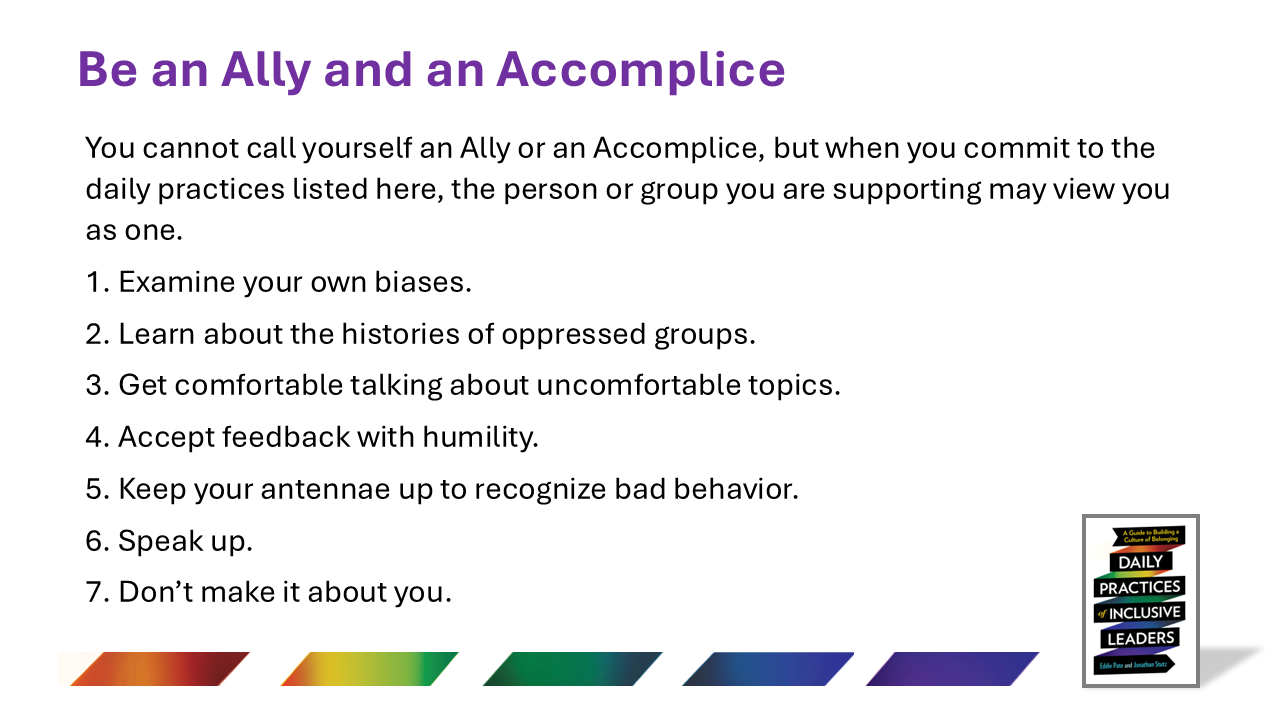
BE AN ALLY AND AN ACCOMPLICE Consider who gets interrupted in a meeting, who gets chastised for taking a controversial or contrarian …